
Guided Meditation is a simple and relaxing practice that helps reduce stress, improve focus, and bring inner peace through calm step-by-step guidance.
Guided Meditation: A Simple Path to Inner Peace and Relaxation
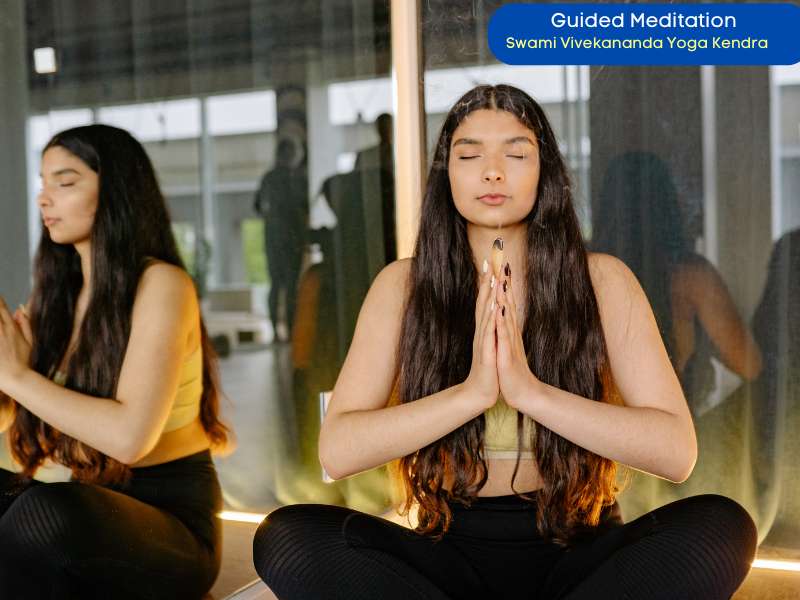
In today’s busy lifestyle, stress, anxiety, and mental exhaustion have become very common. Many people struggle to relax their minds and find inner peace. Guided Meditation is one of the easiest and most effective ways to calm the mind, reduce stress, and improve emotional well-being.
At Swami Vivekanad Yoga Kendra, we believe meditation should be simple and accessible for everyone. Guided meditation is especially helpful for beginners because it provides step-by-step instructions that make meditation easier and more comfortable to practice.
What is Guided Meditation?
Guided Meditation is a type of meditation where a teacher, instructor, or audio guide helps you relax and focus through spoken instructions. During the session, you are guided to breathe deeply, relax your body, and calm your thoughts.
Unlike silent meditation, guided meditation gives direction throughout the practice, making it easier for beginners to stay focused and relaxed.
This meditation technique can include:
Deep breathing exercises
Relaxation techniques
Positive visualizations
Mindfulness practices
Healing affirmations
Body awareness exercises
Guided meditation creates a peaceful experience that helps both the body and mind relax naturally.
Benefits of Guided Meditation
Guided meditation offers many physical, mental, and emotional benefits when practiced regularly. It is one of the easiest ways to relax the mind and improve overall well-being. With proper guidance and daily practice, guided meditation can help people feel calmer, more positive, and mentally refreshed.
Reduces Stress and Anxiety
One of the biggest benefits of guided meditation is its ability to reduce stress and anxiety naturally. During meditation, slow breathing and calming instructions help relax the nervous system and release mental tension. Many people feel overwhelmed because of work pressure, personal responsibilities, or overthinking. Guided meditation helps slow down the mind and creates a sense of peace and relaxation.
Improves Mental Clarity
A busy mind often feels confused, distracted, or mentally tired. Guided meditation helps clear unnecessary thoughts and improves concentration. By focusing on breathing and calming instructions, the mind becomes more organized and balanced. Regular practice can help improve focus, decision-making, and productivity in daily life.
Promotes Better Sleep
Many people struggle with poor sleep because of stress, anxiety, or constant thinking. Guided meditation helps relax both the body and mind before bedtime, making it easier to fall asleep peacefully. Listening to calming guidance and practicing deep breathing creates a relaxed mental state that supports deeper and better-quality sleep.
Enhances Emotional Balance
Guided meditation helps manage emotions in a healthier way. It encourages calmness, patience, and positivity while reducing feelings of anger, frustration, and negativity. Regular meditation allows people to respond more peacefully during stressful situations and improves emotional stability over time.
Increases Self-Awareness
Guided meditation encourages mindfulness and inner awareness. It helps people understand their thoughts, emotions, and reactions more clearly. This self-awareness improves confidence, emotional understanding, and personal growth.
Supports Overall Well-Being
Meditation is not only beneficial for the mind but also for the body. By reducing stress-related fatigue and mental pressure, guided meditation helps improve overall wellness. Many people feel more energetic, peaceful, and emotionally balanced after practicing meditation regularly.
How Guided Meditation Works
Guided meditation follows a simple and relaxing process that helps calm the mind step-by-step. It is designed to make meditation easy, especially for beginners who may find silent meditation difficult.
Step 1: Find a Comfortable Space
The first step is choosing a quiet and peaceful place where you can relax without interruptions. It can be a bedroom, yoga room, garden, or any calm environment where you feel comfortable and safe.
Step 2: Relax Your Body
Once you are seated or lying down comfortably, close your eyes gently and allow your body to relax. Release tension from your shoulders, neck, arms, and muscles. Relaxing the body helps prepare the mind for meditation.
Step 3: Focus on Breathing
The guide usually asks you to take slow and deep breaths. Breathing exercises help calm the nervous system, reduce stress, and improve focus. Paying attention to breathing also helps bring your awareness to the present moment.
Step 4: Follow the Instructions
During the session, the guide may use calming words, visualizations, peaceful sounds, or positive affirmations to help you stay relaxed and focused. These instructions help keep the mind engaged and prevent unnecessary distractions.
Step 5: Return Slowly
At the end of the meditation session, you slowly bring your attention back to your surroundings. Most people feel refreshed, peaceful, and mentally lighter after completing the practice.
Why Guided Meditation is Perfect for Beginners
Many beginners find it difficult to meditate silently because the mind keeps wandering. Guided meditation makes the experience easier and more comfortable by providing support throughout the session.
Easy to Follow
Guided meditation does not require previous experience or special skills. Beginners only need to listen to the instructions and relax. This makes meditation feel simple, natural, and less overwhelming.
Helps Maintain Focus
One of the biggest challenges during meditation is losing focus. The guide’s voice helps keep attention centered and prevents the mind from wandering too much. This makes it easier for beginners to stay engaged throughout the session.
Creates a Relaxing Experience
Guided meditation removes pressure and expectations. Instead of worrying about “doing meditation correctly,” beginners can simply follow the instructions and enjoy the experience peacefully.
Builds Consistency
Because guided meditation feels easier and more enjoyable, many people find it easier to practice regularly. Consistent practice helps create a healthy daily habit and improves meditation results over time.
Different Types of Guided Meditation
There are different forms of guided meditation designed for various needs and goals. Beginners can explore different techniques and choose what feels most comfortable.
Mindfulness Guided Meditation
This type of meditation focuses on staying aware of the present moment. It teaches people to observe their thoughts and emotions without judgment and helps improve mindfulness in daily life.
Sleep Meditation
Sleep meditation is specially designed to relax the body and mind before bedtime. It helps reduce overthinking and creates a peaceful state for deeper and more restful sleep.
Healing Meditation
Healing meditation focuses on emotional relaxation and stress release. It is commonly used to promote inner peace, positivity, and emotional recovery.
Visualization Meditation
In visualization meditation, the guide helps you imagine peaceful places, calming experiences, or positive situations. This technique creates relaxation and encourages positive thinking.
Yoga Meditation
Yoga meditation combines breathing exercises, mindfulness, and relaxation techniques with yoga practices. It helps relax both the body and the mind together.
Tips for Practicing Guided Meditation Daily
Choose a Fixed Time
Meditating at the same time every day helps create consistency and discipline. Morning meditation is especially helpful because it creates a calm and positive start to the day.
Start with Short Sessions
Beginners should not pressure themselves to meditate for long periods. Starting with 5–10 minutes daily is enough to build comfort and consistency gradually.
Use Headphones if Needed
Listening through headphones can improve focus and block outside distractions, making the meditation experience more peaceful and immersive.
Stay Patient
Meditation is a gradual process, and results may take time. Some days may feel more relaxing than others, and that is completely normal. Patience and consistency are important.
Create a Calm Environment
A peaceful and comfortable environment helps improve concentration and relaxation during meditation. Soft lighting or calming music can also make the experience more enjoyable.
Common Challenges During Guided Meditation
Wandering Thoughts
It is completely normal for the mind to wander during meditation. Instead of feeling frustrated, gently return your attention to the guide’s voice and continue the practice calmly.
Feeling Restless
Some beginners may feel uncomfortable sitting quietly for long periods. Starting with shorter sessions can help the body and mind adjust gradually.
Falling Asleep
Guided meditation can make the body feel deeply relaxed, which may cause sleepiness. If this happens often, try meditating while sitting instead of lying down.
Lack of Consistency
Building any new habit takes time. Start with small daily sessions and avoid putting pressure on yourself. Regular practice is more important than perfection.
How Guided Meditation Improves Daily Life
Guided meditation creates positive changes not only during meditation but also in everyday life.
Helps manage stress more calmly
Improves concentration and productivity
Encourages positive thinking and emotional balance
Creates a peaceful and relaxed mindset
Improves communication and relationships
Promotes inner peace, happiness, and self-confidence
Even practicing guided meditation for a few minutes daily can bring noticeable improvements in mental clarity, emotional wellness, and overall quality of life.
1. What is Guided Meditation?
Guided meditation is a meditation practice where a teacher or audio guide provides step-by-step instructions to help relax and focus the mind.
2. Is Guided Meditation good for beginners?
Yes, guided meditation is one of the best meditation methods for beginners because it is simple, relaxing, and easy to follow.
3. How long should I practice Guided Meditation?
Beginners can start with 5–10 minutes daily and gradually increase the duration over time.
4. Can Guided Meditation help reduce stress?
Yes, guided meditation is highly effective for reducing stress, anxiety, and mental tension.
transform Your Life with us: Join Our Online Classes Now:
Ready to dive into a world of wellness? Come join us for some online meditation classes to find your inner calm, hop into our online yoga classes to take your practice up a notch, or why not even become a certified yoga teacher? Embrace the power of yoga today and let it lead you to a happier, healthier you!

Comments are closed.