
Mindfulness Exercises are simple practices that help you stay present, reduce stress, improve focus, and create greater calm, awareness, and emotional balance in daily life.
Mindfulness Exercises: Simple Practices to Reduce Stress and Improve Focus
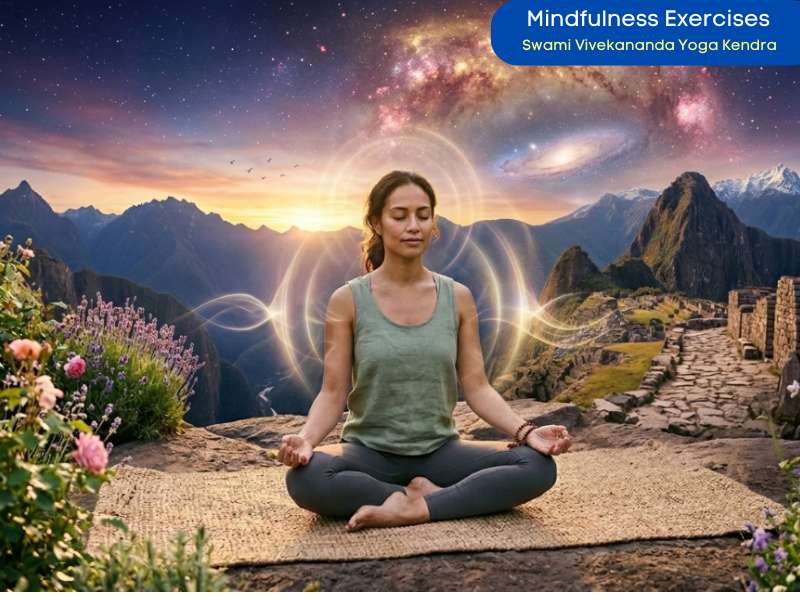
In today’s fast-paced world, many people find themselves constantly distracted, stressed, or overwhelmed by daily responsibilities. The mind often jumps between past experiences and future worries, making it difficult to fully enjoy the present moment. This is where Mindfulness Exercises can make a meaningful difference.
Mindfulness Exercises are simple techniques that help bring awareness to the present moment. They encourage individuals to focus on their thoughts, emotions, breathing, and surroundings without judgment. Regular mindfulness practice can improve concentration, reduce stress, enhance emotional balance, and promote overall well-being.
At Swami Vivekanad Yoga Kendra, we encourage mindfulness practices as a powerful way to cultivate inner peace, mental clarity, and a healthier lifestyle.
What Are Mindfulness Exercises?
Mindfulness Exercises are activities designed to train the mind to stay focused on the present moment. Instead of getting caught up in worries or distractions, mindfulness teaches you to observe your experiences with awareness and acceptance.
These exercises can be practiced anywhere and do not require special equipment. Whether you are sitting quietly, walking, eating, or breathing, mindfulness can be incorporated into everyday life.
Why Are Mindfulness Exercises Important?
Modern life often keeps people busy and mentally overloaded. Mindfulness helps slow down the mind and create a greater sense of awareness and control.
Importance of Mindfulness Exercises
Improve present-moment awareness
Reduce stress and anxiety
Enhance focus and concentration
Promote emotional balance
Improve self-awareness
Support overall mental well-being
Practicing mindfulness regularly can help create a calmer and more balanced approach to daily life.
Benefits of Mindfulness Exercises
Mindfulness offers numerous benefits for mental, emotional, and physical health.
Reduces Stress and Anxiety
One of the biggest benefits of mindfulness is its ability to reduce stress. By focusing on the present moment, individuals can break the cycle of worrying about the future or dwelling on the past.
Benefits include:
Lower stress levels
Reduced anxiety
Greater emotional stability
Improved relaxation
Improves Focus and Concentration
Mindfulness trains the brain to stay attentive and present. This can improve productivity, learning ability, and overall mental performance.
Results may include:
Better concentration
Improved memory
Increased productivity
Greater mental clarity
Enhances Emotional Well-Being
Mindfulness encourages people to observe emotions without immediately reacting to them. This creates healthier emotional responses and greater self-control.
Emotional benefits include:
Increased patience
Better emotional regulation
Improved self-confidence
Greater positivity
Promotes Better Sleep
Many people struggle with racing thoughts at bedtime. Mindfulness exercises help calm the mind, making it easier to relax and fall asleep.
Sleep benefits include:
Improved sleep quality
Reduced overthinking
Better nighttime relaxation
Increases Self-Awareness
Mindfulness helps individuals understand their thoughts, habits, and behaviors more clearly.
This awareness can support:
Personal growth
Better decision-making
Stronger relationships
Increased confidence
Best Mindfulness Exercises for Beginners
There are many simple mindfulness exercises that anyone can practice.
Mindful Breathing
This is one of the easiest mindfulness techniques.
How to practice:
Sit comfortably
Focus on your breath
Notice each inhale and exhale
Gently return your attention if your mind wanders
Benefits:
Reduces stress
Improves focus
Promotes relaxation
Body Scan Exercise
This exercise involves bringing awareness to different parts of the body.
How to practice:
Lie down or sit comfortably
Slowly focus on each part of your body
Notice sensations without judgment
Benefits:
Relieves tension
Improves body awareness
Encourages relaxation
Mindful Walking
Walking mindfully helps connect movement with awareness.
How to practice:
Walk slowly
Pay attention to each step
Notice your surroundings, sounds, and sensations
Benefits:
Improves focus
Reduces stress
Encourages present-moment awareness
Mindful Eating
Many people eat while distracted. Mindful eating helps develop awareness during meals.
How to practice:
Eat slowly
Notice flavors, textures, and aromas
Focus fully on the eating experience
Benefits:
Encourages healthy eating habits
Improves digestion awareness
Enhances enjoyment of food
Gratitude Mindfulness Exercise
This exercise focuses on appreciating positive aspects of life.
How to practice:
Take a few moments daily
Think about things you are grateful for
Reflect on positive experiences
Benefits:
Increases positivity
Improves emotional well-being
Encourages optimism
How to Incorporate Mindfulness into Daily Life
Mindfulness does not have to be limited to formal meditation sessions.
Practice During Daily Activities
Bring awareness to routine tasks such as:
Brushing your teeth
Washing dishes
Driving
Exercising
Take Mindful Breaks
Pause for a few minutes during the day and focus on your breathing.
Limit Multitasking
Focus on one task at a time rather than constantly switching between activities.
Observe Thoughts Without Judgment
Instead of fighting thoughts, simply notice them and allow them to pass naturally.
Common Challenges Beginners Face
Wandering Thoughts
The mind naturally drifts. Gently bring your attention back to the present moment.
Lack of Patience
Mindfulness is a skill that develops gradually through practice.
Difficulty Staying Consistent
Set a regular time each day for mindfulness exercises.
Expecting Perfection
There is no perfect way to practice mindfulness. The goal is awareness, not perfection.
How Mindfulness Exercises Improve Daily Life
Regular mindfulness practice can positively influence many areas of life.
Mindfulness helps:
Reduce stress and anxiety
Improve concentration
Increase emotional balance
Strengthen relationships
Promote better sleep
Enhance overall happiness
Over time, mindfulness creates a greater sense of calm, awareness, and well-being.
Mindfulness Exercises are simple yet powerful tools for improving mental clarity, emotional balance, and overall well-being. By learning to focus on the present moment, individuals can reduce stress, improve concentration, and experience greater peace in everyday life.
With regular practice, mindfulness can become a lifelong habit that supports a healthier and happier lifestyle.
1. What are Mindfulness Exercises?
Mindfulness Exercises are practices that help individuals focus on the present moment with awareness and acceptance.
2. Are Mindfulness Exercises suitable for beginners?
Yes, mindfulness exercises are simple, easy to learn, and suitable for people of all ages.
3. How long should I practice mindfulness daily?
Beginners can start with 5–10 minutes daily and gradually increase the duration.
4. Can Mindfulness Exercises reduce stress?
Yes, regular mindfulness practice helps calm the mind, reduce stress, and improve emotional well-being.
transform Your Life with us: Join Our Online Classes Now:
Ready to dive into a world of wellness? Come join us for some Online meditation classes to find your inner calm, hop into our Online yoga classes to take your practice up a notch, or why not even become a certified
Yoga teacher ? Embrace the power of yoga today and let it lead you to a happier, healthier you!



Comments are closed.