
If you’ve ever asked, “How Do I Meditate?” you’re not alone. Meditation is a simple practice that helps reduce stress, improve focus, and bring calmness and balance to everyday life.
What is Meditation?
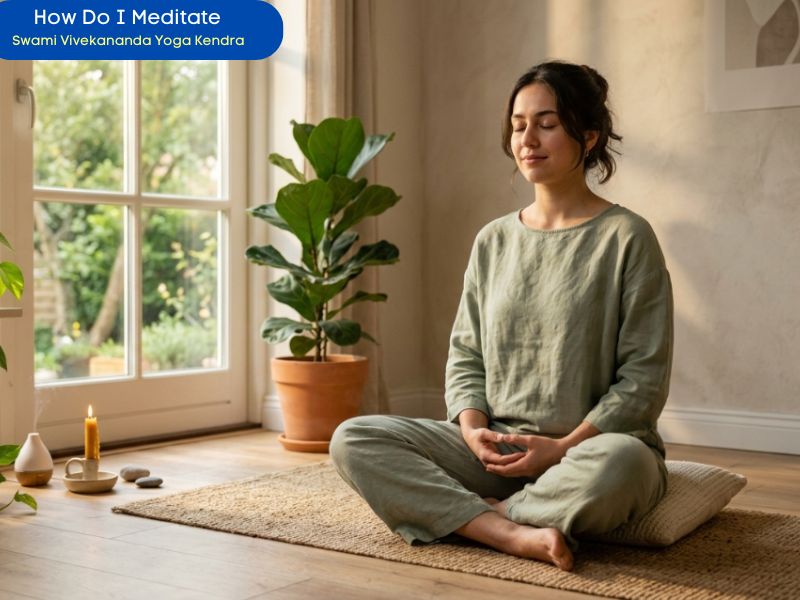
Meditation is a simple practice that helps you slow down, relax, and become more aware of the present moment. Many people think meditation is about completely emptying the mind or stopping all thoughts, but that is not true. Meditation is actually about observing your thoughts without getting caught up in them.
When you meditate, you train your mind to focus on something simple, such as your breath, a word, or a calming sensation. Over time, this practice helps you feel more peaceful, balanced, and connected to yourself.
In today’s fast-paced world, our minds are constantly busy with work, responsibilities, social media, and daily pressures. Meditation offers a chance to pause, recharge, and create a sense of calm amidst the chaos.
Why Should You Meditate?
People begin meditation for different reasons, but most discover that it positively impacts many areas of their lives.
Reduces Stress and Anxiety
One of the most popular reasons people meditate is to manage stress. When we are stressed, our minds tend to race with worries and negative thoughts. Meditation helps calm the nervous system and allows the body and mind to relax naturally.
With regular practice, you may find yourself feeling less overwhelmed and better able to handle life’s challenges.
Improves Focus and Concentration
Our attention is constantly pulled in different directions throughout the day. Meditation trains the mind to stay focused on one thing at a time, helping improve concentration and mental clarity.
This can be especially beneficial for students, professionals, and anyone who wants to improve productivity.
Promotes Emotional Balance
Meditation helps you become more aware of your emotions without reacting impulsively. Instead of being controlled by anger, frustration, or anxiety, you learn to respond with greater calmness and understanding.
Improves Sleep Quality
A busy mind often makes it difficult to fall asleep. Meditation relaxes both the body and mind, making it easier to enjoy deeper and more restful sleep.
Encourages Positive Thinking
Regular meditation creates a greater sense of gratitude, optimism, and self-awareness. It helps shift your focus away from negativity and toward a more balanced perspective on life.
Even just a few minutes of meditation each day can lead to noticeable improvements in your mental, emotional, and physical well-being.
How Do I Meditate? Step-by-Step Guide
If you’re wondering how to begin meditating, don’t worry. Meditation is much easier than most people imagine. Follow these simple steps to get started.
Step 1: Find a Quiet and Comfortable Space
The first step is to choose a peaceful place where you can sit without being disturbed. This could be a corner of your bedroom, a balcony, a garden, or any location where you feel relaxed.
A quiet environment helps reduce distractions and allows you to focus more easily.
Why this is important:
Helps create a sense of calm
Reduces interruptions
Makes it easier to concentrate
Remember, you don’t need a perfect meditation room. Any comfortable and peaceful space will work.
Step 2: Sit in a Comfortable Position
Many beginners think they need to sit cross-legged like experienced yogis. However, meditation is not about achieving a specific posture.
You can sit:
On a chair
On a cushion
On a yoga mat
On the floor
The most important thing is to keep your back comfortably straight while allowing your body to remain relaxed.
Helpful tips:
Relax your shoulders
Rest your hands naturally
Avoid stiffness or tension
Comfort helps you stay focused without being distracted by physical discomfort.
Step 3: Close Your Eyes and Relax Your Body
Once you’re comfortable, gently close your eyes and take a few slow, deep breaths.
As you breathe, allow your muscles to relax. Release any tension you may be holding in your shoulders, neck, jaw, or back.
This simple step signals your body that it’s time to slow down and unwind.
Benefits:
Calms the nervous system
Reduces physical tension
Helps prepare the mind for meditation
Step 4: Focus on Your Breathing
Breathing is one of the easiest and most effective meditation anchors.
Simply observe your breath as it naturally flows in and out.
Notice:
The cool air entering your nose
The rise and fall of your chest
The sensation of exhaling
You don’t need to change your breathing. Just observe it.
Your breath keeps you connected to the present moment and prevents the mind from drifting too far into distractions.
Step 5: Allow Thoughts to Come and Go
This is where many beginners become frustrated. They assume meditation means having a completely blank mind.
In reality, thoughts are normal.
Your mind will wander. You may think about work, family, responsibilities, or random memories.
When this happens:
Notice the thought
Don’t criticize yourself
Gently return your focus to your breath
Every time you bring your attention back, you are strengthening your mindfulness.
Think of it as mental exercise for your brain.
Step 6: Start with Short Meditation Sessions
You do not need to meditate for an hour to experience benefits.
In fact, beginners often achieve better results with shorter sessions.
Simple beginner schedule:
Week 1: 5 minutes daily
Week 2: 10 minutes daily
Week 3: 15 minutes daily
Week 4 and beyond: 15–20 minutes daily
Consistency matters much more than duration.
Five minutes every day is often more effective than one long session once a week.
Step 7: End Your Meditation Gently
When your meditation session ends, avoid rushing back into your daily activities.
Take a moment to notice:
How your body feels
How calm your mind feels
Any changes in your mood
Take a deep breath and slowly open your eyes.
Many people find it helpful to express gratitude or set a positive intention before continuing with their day.
This helps carry the peaceful feeling of meditation into everyday life.
How Meditation Improves Daily Life
The benefits of meditation extend far beyond the meditation session itself.
With regular practice, you may notice:
Better focus at work or school
Reduced stress during challenging situations
Greater emotional stability
Improved relationships
Better sleep quality
Increased self-confidence
More positivity and inner peace
Over time, meditation becomes more than just a practice—it becomes a valuable tool for living a calmer, healthier, and happier life.
1. How do I meditate if I am a beginner?
Start by sitting comfortably, focusing on your breathing, and practicing for 5–10 minutes daily.
2. How long should I meditate each day?
Beginners can start with 5–10 minutes daily and gradually increase the duration.
3. Is it normal for my mind to wander during meditation?
Yes, wandering thoughts are completely normal. Simply return your focus to your breath.
4. What is the best time to meditate?
Morning is often ideal because the mind is fresh and there are fewer distractions, but meditation can be practiced anytime.
transform Your Life with us: Join Our Online Classes Now:
Ready to dive into a world of wellness? Come join us for some Online meditation classes to find your inner calm, hop into our Online yoga classes to take your practice up a notch, or why not even become a certified
yoga teacher? Embrace the power of yoga today and let it lead you to a happier, healthier you!



Comments are closed.