
How to Do Meditation is a simple practice that helps calm the mind, reduce stress, and improve focus. With regular practice, meditation can bring greater peace, balance, and well-being to daily life.
How to Do Meditation: A Complete Beginner’s Guide to Finding Inner Peace
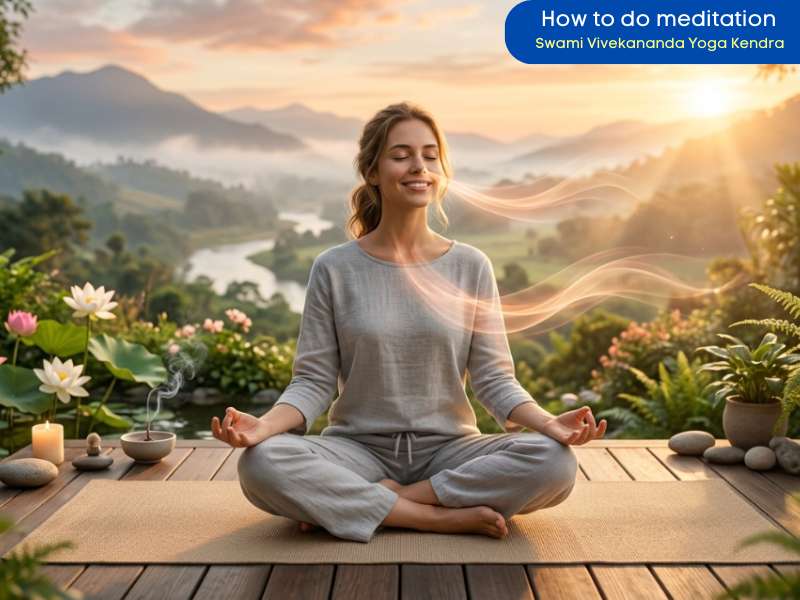
In today’s fast-paced world, stress, anxiety, and constant distractions have become a part of everyday life. Many people are looking for simple ways to relax their minds, improve focus, and create a sense of balance. One of the most effective ways to achieve this is through meditation.
If you have ever wondered “How to Do Meditation?”, you’re not alone. Many beginners believe meditation is difficult or requires special skills. In reality, meditation is a simple practice that anyone can learn. It involves training the mind to focus on the present moment and developing greater awareness of thoughts, emotions, and breathing.
At Swami Vivekanad Yoga Kendra, we help beginners learn meditation in a simple and practical way so they can experience its benefits in daily life.
What is Meditation?
Meditation is a practice that helps calm the mind and improve awareness. It involves focusing your attention on something specific, such as your breath, a sound, a word, or a sensation.
The goal of meditation is not to stop thinking completely. Instead, it teaches you to observe your thoughts without becoming overwhelmed by them. With regular practice, meditation helps create mental clarity, emotional balance, and inner peace.
Why is Meditation Important?
Modern life often keeps our minds constantly busy. We worry about the future, think about the past, and struggle to stay present.
Meditation helps break this cycle by teaching the mind to slow down and focus on the present moment.
Benefits of Meditation
Reduces stress and anxiety
Improves focus and concentration
Promotes emotional balance
Encourages positive thinking
Improves sleep quality
Enhances self-awareness
Supports overall mental well-being
Even a few minutes of daily meditation can make a noticeable difference in your quality of life.
How to Do Meditation: Step-by-Step Guide
Meditation does not need to be complicated. Follow these simple steps to begin your practice.
Step 1: Choose a Quiet Place
Find a peaceful location where you can sit comfortably without interruptions.
This could be:
A room in your home
A balcony
A garden
A meditation corner
A calm environment helps you focus and relax more easily.
Step 2: Sit in a Comfortable Position
You do not need to sit in a complex yoga posture.
You can:
Sit on a chair
Sit on a cushion
Sit cross-legged on the floor
Keep your back straight but relaxed.
Helpful Tips:
Relax your shoulders
Keep your hands resting comfortably
Avoid slouching
The goal is to feel comfortable and alert.
Step 3: Close Your Eyes and Relax
Gently close your eyes and take a few slow, deep breaths.
Allow your body to relax and release any tension from:
Neck
Shoulders
Jaw
Back
This helps prepare your mind for meditation.
Step 4: Focus on Your Breathing
Bring your attention to your natural breathing.
Notice:
The air entering your nose
The rise and fall of your chest
The sensation of exhaling
There is no need to control your breath. Simply observe it.
Breathing acts as an anchor that keeps your attention in the present moment.
Step 5: Observe Your Thoughts
Thoughts will naturally arise during meditation.
Instead of trying to stop them:
Notice them
Let them pass
Return your focus to your breath
This is one of the most important parts of meditation.
Remember, every time you gently bring your attention back, you are strengthening your mindfulness.
Step 6: Continue for a Few Minutes
Beginners do not need long meditation sessions.
Suggested Practice Schedule:
Week 1: 5 minutes daily
Week 2: 10 minutes daily
Week 3: 15 minutes daily
Week 4 and beyond: 20 minutes daily
Consistency is more important than duration.
Step 7: End the Session Slowly
When your meditation session is complete:
Take a deep breath
Become aware of your surroundings
Slowly open your eyes
Spend a moment noticing how calm and relaxed you feel before continuing your day.
Different Types of Meditation for Beginners
There are many meditation techniques available. Beginners can start with whichever feels most comfortable.
Mindfulness Meditation
This practice focuses on observing thoughts, feelings, and sensations without judgment.
Benefits:
Improves awareness
Reduces stress
Enhances focus
Guided Meditation
A teacher or audio guide leads you through the meditation process.
Benefits:
Easy for beginners
Helps maintain focus
Provides clear instructions
Breathing Meditation
This technique focuses entirely on breathing.
Benefits:
Promotes relaxation
Reduces anxiety
Improves concentration
Mantra Meditation
A calming word, phrase, or sound is repeated silently.
Benefits:
Improves focus
Creates mental calmness
Supports mindfulness
Common Challenges During Meditation
Every beginner experiences challenges. These are a normal part of the learning process.
Wandering Thoughts
The mind naturally wanders. Simply bring your attention back to your breath.
Feeling Restless
Sitting still may feel uncomfortable initially. Start with shorter sessions and gradually increase the duration.
Sleepiness
If you feel sleepy, try meditating in the morning or sitting upright.
Lack of Consistency
Building a habit takes time. Focus on regular practice rather than perfection.
Tips for Building a Daily Meditation Habit
Set a Fixed Time
Practicing at the same time each day helps build consistency.
Start Small
Even five minutes of meditation can be beneficial.
Create a Dedicated Space
Having a peaceful meditation area can make practice easier.
Be Patient
Meditation is a skill that develops over time.
Practice Daily
Regular practice creates lasting benefits for both the mind and body.
How Meditation Improves Daily Life
Meditation positively impacts many aspects of life.
Regular meditation can help:
Improve concentration and productivity
Reduce stress and anxiety
Increase emotional balance
Promote positive thinking
Improve sleep quality
Enhance self-awareness
Create a sense of inner peace
Over time, meditation becomes a valuable tool for managing life’s challenges with greater calm and confidence.
Learning How to Do Meditation is easier than many people think. By finding a quiet space, focusing on your breath, and practicing regularly, you can experience reduced stress, improved focus, and greater inner peace.
Meditation is not about perfection—it’s about showing up consistently and allowing yourself a few moments of calm each day.
1. How do beginners start meditation?
Beginners can start by sitting comfortably, focusing on their breathing, and practicing for 5–10 minutes daily.
2. How long should I meditate each day?
Start with 5 minutes daily and gradually increase the duration as you become more comfortable.
3. Is it normal for thoughts to come during meditation?
Yes. Thoughts are natural. Simply notice them and gently return your focus to your breath.
4. What is the best time to meditate?
Morning is often considered the best time because the mind is fresh and there are fewer distractions, but meditation can be practiced at any time.
transform Your Life with us: Join Our Online Classes Now:
Ready to dive into a world of wellness? Come join us for some Online meditation classes to find your inner calm, hop into our Online yoga classes to take your practice up a notch, or why not even become a certified
yoga teacher? Embrace the power of yoga today and let it lead you to a happier, healthier you!


Comments are closed.