
Meditation for Anxiety is a simple practice that helps calm the mind, reduce stress, manage anxious thoughts, and promote emotional balance and inner peace.
Meditation for Anxiety: A Natural Way to Calm the Mind and Find Inner Peace
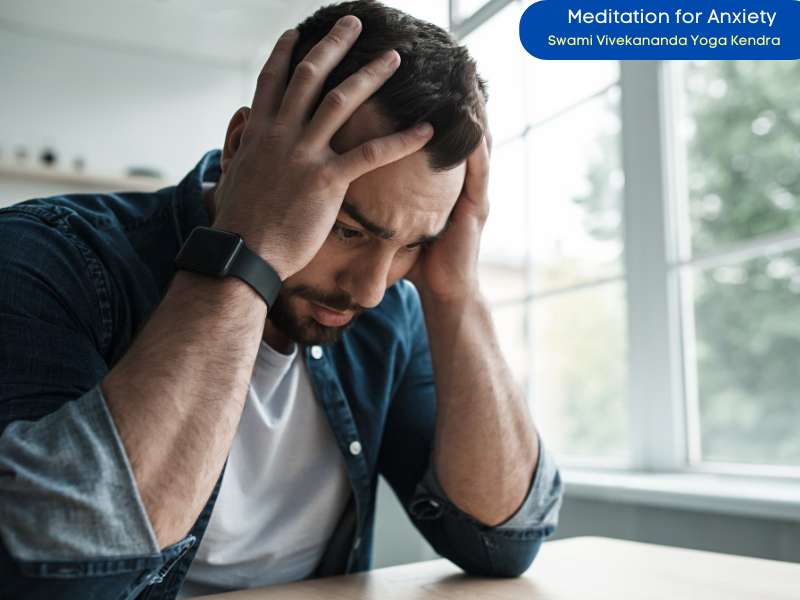
In today’s fast-paced world, anxiety has become a common challenge for people of all ages. Constant worries, work pressure, personal responsibilities, and uncertainty about the future can leave the mind feeling overwhelmed and restless. While occasional anxiety is a normal part of life, prolonged anxiety can affect mental, emotional, and physical well-being.
Meditation for Anxiety is a simple yet powerful practice that helps calm the mind, reduce stress, and create a sense of inner peace. Through mindful breathing and relaxation techniques, meditation allows you to manage anxious thoughts more effectively and develop a healthier response to everyday challenges.
At Swami Vivekanad Yoga Kendra, we guide individuals through meditation practices that help reduce anxiety naturally and promote emotional balance and overall wellness.
What is Meditation for Anxiety?
Meditation for Anxiety is a mindfulness-based practice that helps calm racing thoughts, reduce emotional tension, and improve mental clarity. Instead of trying to suppress anxious feelings, meditation teaches you to observe your thoughts without judgment and gently bring your attention back to the present moment.
This practice encourages relaxation, emotional awareness, and inner calm, helping individuals feel more grounded and in control of their emotions.
Understanding Anxiety and Its Effects
Anxiety affects both the mind and body. It can create a cycle of negative thoughts and physical symptoms that interfere with daily life.
Common Symptoms of Anxiety
Constant worrying
Difficulty concentrating
Restlessness or nervousness
Rapid heartbeat
Muscle tension
Trouble sleeping
Feeling overwhelmed or fearful
When left unmanaged, anxiety can impact relationships, work performance, and overall quality of life.
Benefits of Meditation for Anxiety
Meditation offers a natural and effective way to manage anxiety and improve emotional well-being.
Reduces Stress Levels
Meditation helps lower stress hormones and relaxes the nervous system. As the body relaxes, feelings of tension and worry begin to decrease.
Calms Racing Thoughts
People with anxiety often experience an endless stream of thoughts. Meditation teaches the mind to slow down and focus on the present moment instead of worrying about the future.
Improves Emotional Balance
Regular meditation helps you respond to situations with greater calmness and patience rather than reacting impulsively to stress.
Enhances Focus and Concentration
Anxiety can make it difficult to focus. Meditation improves mental clarity and helps strengthen concentration over time.
Promotes Better Sleep
Many people with anxiety struggle to sleep because of overthinking. Meditation relaxes the mind and prepares the body for restful sleep.
Increases Self-Awareness
Meditation helps you become more aware of your emotions and thought patterns, making it easier to manage anxiety in a healthy way.
How Meditation Helps Reduce Anxiety
Meditation works by activating the body’s relaxation response and reducing the mental and physical symptoms of anxiety.
Encourages Deep Breathing
Slow, controlled breathing sends calming signals to the brain and helps reduce feelings of panic or nervousness.
Brings Attention to the Present Moment
Anxiety often comes from worrying about future events. Meditation helps shift attention to the present, reducing unnecessary stress.
Relaxes the Nervous System
Regular meditation lowers physical tension and helps the body enter a more relaxed state.
Creates Positive Mental Habits
With consistent practice, meditation helps replace negative thought patterns with greater awareness and positivity.
Best Meditation Techniques for Anxiety
Different meditation techniques can be helpful for managing anxiety. Beginners can explore different methods to find what works best for them.
Mindfulness Meditation
This practice involves observing thoughts and emotions without judgment. It helps reduce overthinking and promotes acceptance of the present moment.
Breathing Meditation
Focusing on slow, deep breaths helps calm the nervous system and reduce anxiety symptoms quickly.
Guided Meditation
In guided meditation, a teacher or audio guide provides calming instructions that help relax the mind and body.
Mantra Meditation
Repeating a calming word or phrase helps improve concentration and reduce mental distractions.
Loving-Kindness Meditation
This practice focuses on sending positive thoughts and compassion toward yourself and others, helping reduce emotional stress.
How to Practice Meditation for Anxiety
Starting meditation does not have to be complicated. Follow these simple steps:
Step 1: Choose a Quiet Place
Find a peaceful environment where you can sit comfortably without interruptions.
Step 2: Sit Comfortably
Sit in a relaxed position with your back straight and shoulders relaxed.
Step 3: Focus on Your Breathing
Take slow, deep breaths and pay attention to the sensation of breathing in and out.
Step 4: Observe Your Thoughts
Allow thoughts to come and go naturally without trying to stop them. Simply observe them and return your focus to your breath.
Step 5: Practice Regularly
Start with 5–10 minutes daily and gradually increase the duration as you become more comfortable.
Tips for Making Meditation a Daily Habit
Set a Regular Time
Practicing at the same time every day helps build consistency.
Start Small
Short meditation sessions are easier to maintain and can still provide significant benefits.
Be Patient with Yourself
Meditation is a skill that develops over time. Progress comes through regular practice.
Create a Calm Environment
A peaceful setting helps improve focus and relaxation.
Stay Consistent
The more regularly you meditate, the greater the long-term benefits for anxiety management.
Common Challenges Beginners Face
Difficulty Staying Focused
It is normal for the mind to wander. Gently bring your attention back to your breath whenever this happens.
Feeling Restless
Some people feel uncomfortable sitting still initially. This improves with practice.
Expecting Immediate Results
Meditation is not an instant solution. Consistency is key to experiencing lasting benefits.
Lack of Time
Even a few minutes of daily meditation can make a meaningful difference.
How Meditation Improves Daily Life
Regular meditation can positively impact many areas of life, including:
Better stress management
Improved concentration
Greater emotional stability
Enhanced self-confidence
Better sleep quality
Healthier relationships
Increased sense of inner peace
Over time, meditation helps create a calmer and more balanced approach to life’s challenges.
1. Can meditation help reduce anxiety naturally?
Yes, meditation helps calm the mind, reduce stress, and improve emotional balance, making it an effective natural tool for managing anxiety.
2. How long should I meditate for anxiety?
Beginners can start with 5–10 minutes daily and gradually increase the duration as they become comfortable.
3. Which meditation is best for anxiety?
Mindfulness meditation, breathing meditation, and guided meditation are among the most effective techniques for reducing anxiety.
4. How quickly can meditation help with anxiety?
Some people feel calmer after a single session, but consistent daily practice provides the best long-term benefits.
transform Your Life with us: Join Our Online Classes Now:
Ready to dive into a world of wellness? Come join us for some online meditation classes to find your inner calm, hop into our online yoga classes to take your practice up a notch, or why not even become a certified yoga teacher? Embrace the power of yoga today and let it lead you to a happier, healthier you!

Comments are closed.