
Meditation for Sleep helps calm the mind, reduce stress, and improve sleep quality naturally through simple breathing and relaxation techniques.
Meditation for Sleep: A Natural Way to Relax the Mind and Improve Sleep Quality
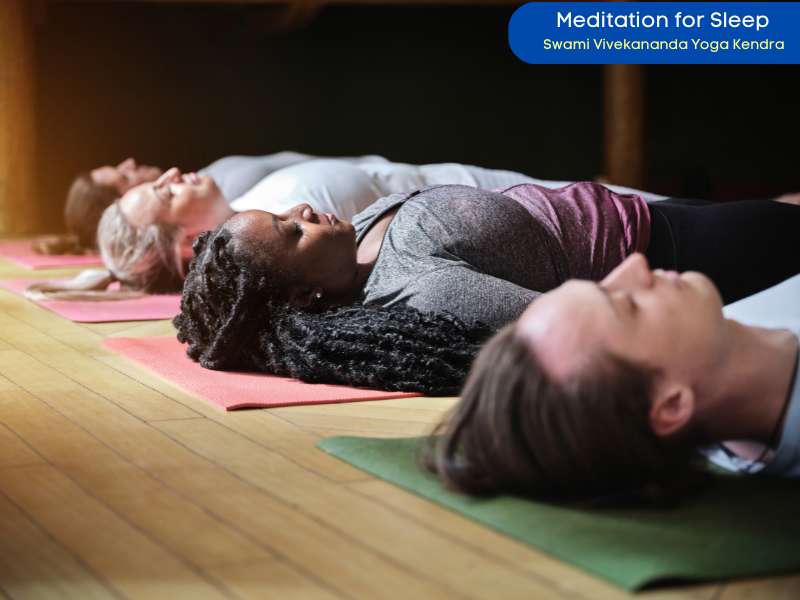
In today’s busy lifestyle, many people struggle with sleepless nights, stress, and an overactive mind. Continuous thinking, anxiety, and daily pressure often make it difficult to relax and fall asleep peacefully. Meditation for Sleep is a simple and natural practice that helps calm the mind, relax the body, and improve sleep quality naturally.
At Swami Vivekanad Yoga Kendra, we believe peaceful sleep is essential for overall health and well-being. Meditation before bedtime helps release stress, reduce mental tension, and prepare the body for deep and restful sleep.
What is Meditation for Sleep?
Meditation for Sleep is a calming practice that helps the mind and body relax before bedtime. It involves breathing exercises, mindfulness, guided relaxation, and calming thoughts that prepare you for restful sleep.
Unlike sleeping pills or temporary solutions, sleep meditation works naturally by reducing stress and calming the nervous system. It creates a peaceful mental state that makes it easier to fall asleep and stay asleep throughout the night.
Why Sleep is Important for Overall Health
Good sleep is necessary for both physical and mental health. Poor sleep can affect concentration, mood, energy levels, and overall wellness.
Benefits of Proper Sleep
Improves mental clarity and focus
Increases energy and productivity
Supports emotional balance
Strengthens the immune system
Reduces stress and anxiety
Helps the body recover and heal naturally
When sleep quality improves, people often feel healthier, calmer, and more positive in daily life.
Benefits of Meditation for Sleep
Meditation for sleep offers many mental, emotional, and physical benefits when practiced regularly.
Calms the Mind
One of the main reasons people struggle to sleep is because the mind stays active with thoughts and worries. Meditation helps slow down mental activity and creates inner calmness before bedtime.
Reduces Stress and Anxiety
Stress and anxiety can keep the body tense and restless at night. Sleep meditation relaxes the nervous system and reduces emotional tension, helping the body feel peaceful and relaxed.
Improves Sleep Quality
Meditation not only helps people fall asleep faster but also improves the quality of sleep. Deep relaxation allows the body to rest more effectively during the night.
Helps Reduce Overthinking
Many people experience racing thoughts before sleep. Meditation helps bring attention to breathing and relaxation instead of negative thinking.
Relaxes the Body
Meditation relaxes muscles, reduces physical tension, and creates a feeling of comfort throughout the body.
Supports Emotional Well-Being
Regular meditation creates emotional balance and positivity, which helps reduce sleep disturbances caused by stress or emotional pressure.
How Meditation for Sleep Works
Meditation for sleep follows simple steps that help prepare the body and mind for rest naturally.
Step 1: Find a Quiet Environment
Choose a peaceful and comfortable place where you can relax without distractions. A calm atmosphere helps the mind settle more easily.
Step 2: Get Comfortable
Lie down or sit comfortably with your body fully relaxed. Loosen any tight muscles and allow your body to feel light and calm.
Step 3: Focus on Breathing
Take slow and deep breaths. Breathing deeply helps reduce stress and signals the body to relax naturally.
Step 4: Relax the Mind
Focus on calming thoughts, positive affirmations, or guided meditation instructions. This helps release mental tension and overthinking.
Step 5: Let the Body Drift into Sleep
As the mind becomes calm and the body relaxes, sleep comes naturally and peacefully.
Best Meditation Techniques for Better Sleep
Different meditation techniques can help improve sleep quality. Beginners can choose the method that feels most comfortable.
Guided Sleep Meditation
This technique uses calming voice instructions and relaxing sounds to help the body and mind relax before sleep.
Mindfulness Meditation
Mindfulness meditation helps focus attention on the present moment instead of stressful thoughts or worries.
Deep Breathing Meditation
Slow and deep breathing reduces stress, slows the heart rate, and creates a relaxed state for sleep.
Body Scan Meditation
In this practice, attention is slowly brought to different body parts to release tension and encourage relaxation.
Mantra Meditation
Repeating calming words or phrases helps quiet the mind and improve focus before bedtime.
Why Meditation for Sleep is Helpful for Beginners
Many beginners struggle with sleep because of stress, screen time, or overthinking. Meditation offers a simple and natural solution without complicated techniques.
Easy to Practice
Sleep meditation is simple and does not require previous experience. Beginners can easily follow breathing and relaxation exercises.
Creates a Bedtime Routine
Practicing meditation before sleep creates a calming nightly habit that improves sleep patterns over time.
Helps Relax Naturally
Meditation allows the body to relax naturally without depending on medication or external distractions.
Improves Mental Peace
Regular practice creates emotional calmness and reduces mental clutter before bedtime.
Tips for Practicing Meditation for Sleep Daily
Maintain a Regular Sleep Schedule
Going to bed at the same time daily helps improve sleep quality naturally.
Avoid Screens Before Bed
Reducing phone or screen use before sleep helps calm the mind and improves relaxation.
Keep the Room Calm and Comfortable
A peaceful and comfortable environment supports better meditation and sleep.
Practice Deep Breathing
Slow breathing exercises before bed help relax the body and reduce stress.
Stay Consistent
Meditation gives better results when practiced regularly, even for a few minutes daily.
Common Challenges During Sleep Meditation
Wandering Thoughts
It is normal for the mind to wander during meditation. Gently bring your attention back to breathing or relaxation.
Difficulty Relaxing
Some people may feel restless initially. Regular practice helps the body and mind become more comfortable with meditation.
Falling Asleep Too Quickly
This is actually common during sleep meditation because the body becomes deeply relaxed.
Lack of Patience
Sleep improvement may take time. Consistent practice helps create long-term benefits naturally.
How Meditation for Sleep Improves Daily Life
Better sleep positively affects every part of life.
Increases energy and freshness
Improves concentration and memory
Reduces stress and irritability
Supports emotional balance
Creates a calmer and happier mindset
Improves overall physical and mental wellness
A peaceful night’s sleep helps people feel healthier, more focused, and emotionally balanced throughout
the day.
1. What is Meditation for Sleep?
Meditation for Sleep is a relaxation practice that helps calm the mind and body before bedtime to improve sleep quality naturally.
2. Can meditation help with insomnia?
Yes, meditation helps reduce stress, anxiety, and overthinking, which are common causes of insomnia and sleep problems.
3. How long should I practice sleep meditation?
Beginners can start with 5–10 minutes before bedtime and gradually increase the duration if needed.
4. Is sleep meditation safe for daily practice?
Yes, meditation for sleep is completely natural and safe for daily practice.
transform Your Life with us: Join Our Online Classes Now:
Ready to dive into a world of wellness? Come join us for some online meditation classes to find your inner calm, hop into our online yoga classes to take your practice up a notch, or why not even become a certified yoga teacher? Embrace the power of yoga today and let it lead you to a happier, healthier you!



Comments are closed.