
Have you ever noticed how ancient yogis are often depicted sitting cross-legged in deep meditation? That’s Padmasana, or the Lotus Pose—one of the most iconic and powerful seated postures in yoga. It’s not just a visually striking pose; it carries deep benefits for the mind and body. Padmasana is widely practiced for meditation, pranayama, and mindfulness. This pose helps calm the mind, strengthen the spine, and improve flexibility. Whether you’re looking to enhance your meditation practice or improve your posture, this asana can be a game-changer. In this blog, we will explore how to perform Padmasana, its benefits, and answer some common questions.
Padmasana Yoga Pose – Lotus Pose (A Complete Guide)
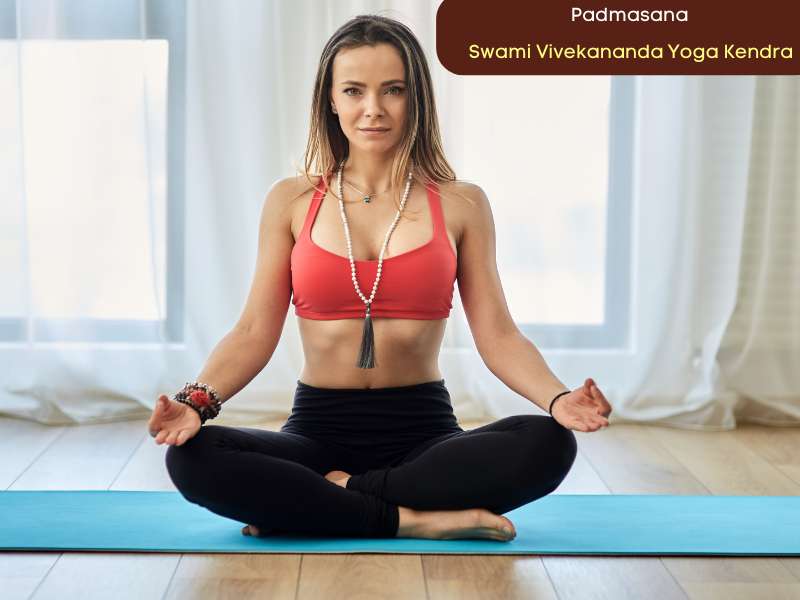
Padmasana is deeply rooted in yogic philosophy and spirituality. The lotus flower, from which the pose derives its name, is a powerful symbol in many spiritual traditions. Just as a lotus rises above muddy waters to bloom in its full glory, practicing Padmasana represents the ability to transcend worldly distractions and attain higher consciousness. Many yogis and spiritual seekers use this pose to cultivate inner peace, deepen their meditation, and align their mind, body, and soul. It is believed to activate the chakras, particularly the Root (Muladhara) and Crown (Sahasrara) chakras, helping to establish a strong foundation while also opening the door to spiritual enlightenment.
Padmasana Steps to Perform (Lotus Pose)
Find a Comfortable Space: Choose a quiet and peaceful space where you can sit undisturbed. A yoga mat or a cushion can provide additional comfort and support.
Stretch Your Legs Forward: Sit with your spine straight and extend both legs out in front of you. Take a few moments to shake out any tension in your legs.
Bend Your Right Knee: Gently bring your right foot up and place it on your left thigh. The sole of your foot should be facing upward, and your heel should be as close to your abdomen as possible. Do not force it—flexibility improves with time.
Bend Your Left Knee: Now, lift your left foot and place it over your right thigh in a similar manner. Again, make sure your sole faces upward and your heel is near your abdomen. If this is difficult, you can practice with just one leg at a time (Half Lotus Pose).
Align Your Posture: Sit up tall with your spine straight, shoulders relaxed, and head aligned with your back. Avoid slouching, as this diminishes the benefits of the pose.
Position Your Hands: Rest your hands gently on your knees with palms facing upward. You can use the Chin Mudra (thumb and index finger touching) to enhance your meditation experience.
Focus on Your Breathing: Close your eyes and take slow, deep breaths. Let your body relax and focus on the rhythmic flow of your breath.
Hold the Pose: Remain in Padmasana for a few minutes or as long as you feel comfortable. With regular practice, you can extend the duration over time.
Exit the Pose Gently: Slowly unfold your legs one at a time and return to a comfortable seated position. Avoid sudden movements to prevent strain.
Benefits of Padmasana (Lotus Pose)
Improves Focus and Mental Clarity: By bringing your body into a stable seated posture, Padmasana helps eliminate distractions, allowing for deeper concentration and meditation.
Enhances Flexibility: This pose gradually increases the flexibility of your hips, knees, and ankles, making them more supple over time.
Reduces Stress and Promotes Relaxation: By encouraging deep breathing and a meditative state, Padmasana helps reduce anxiety and stress levels.
Strengthens the Spine and Improves Posture: Holding this pose with an upright spine helps build strength in your back and encourages proper posture.
Aids in Digestion: Sitting in this pose helps stimulate abdominal organs, thereby improving digestion and metabolism.
Encourages Healthy Blood Circulation: Sitting cross-legged improves blood flow to the lower body and helps balance energy within the body.
Supports Meditation and Breathing Practices: This pose provides a stable foundation for long-duration meditation and pranayama (breathing exercises), making it a favorite among yogis.
What is Padmasana Yoga Pose (Lotus Pose)?
Padmasana, also called Lotus Pose, is a seated yoga asana where each foot is placed on the opposite thigh. It is mainly used for meditation and pranayama.
How to do Padmasana Yoga Pose step by step?
Sit on the mat, stretch your legs, fold the right leg and place the foot on the left thigh, then fold the left leg and place the foot on the right thigh. Keep spine straight, hands on knees, and breathe slowly.
What are the benefits of Padmasana Yoga Pose?
Padmasana improves concentration, calms the mind, strengthens the spine, helps in meditation, and reduces stress.
Who should avoid Padmasana Yoga Pose?
People with knee pain, ankle injury, or hip stiffness should avoid Padmasana. Beginners should practice slowly and use support if needed.
How long should Padmasana Yoga Pose be practiced?
Beginners can sit for 2–3 minutes. With practice, you can stay for 15–30 minutes during meditation or pranayama. Best time is morning or evening.
पद्मासन योगासन क्या है? इसके स्टेप्स और फायदे क्या हैं?
पद्मासन, जिसे Lotus Pose भी कहा जाता है, एक ध्यान मुद्रा है। इसमें दोनों पैरों को क्रॉस करके जाँघों पर रखा जाता है। इसके स्टेप्स आसान हैं – जमीन पर बैठें, पैरों को मोड़ें और विपरीत जाँघ पर रखें। रीढ़ सीधी रखें और हाथ घुटनों पर रखें। फायदे हैं – ध्यान और एकाग्रता बढ़ाना, तनाव कम करना, रीढ़ मज़बूत करना और मन को शांति देना।
Experience the transformative power of Padmasana in your daily yoga practice! Join us at Swami Vivekananda Yoga Kendra for expert guidance and learn how to master this pose along with other holistic yogic practices. Start your journey towards inner peace today!
Padmasana is not just a pose but a gateway to deeper mindfulness, improved health, and inner tranquility. Whether you’re a beginner or a seasoned practitioner, incorporating this asana into your routine can bring immense physical and mental benefits. The key is consistency—practice regularly, listen to your body, and embrace the process. With time, you will experience the profound benefits of this ancient practice.
Transform Your Life with us: Join Our Online Classes Now:
Ready to dive into a world of wellness? Come join us for some online meditation classes to find your inner calm, hop into our online yoga classes to take your practice up a notch, or why not even become a certified yoga teacher? Embrace the power of yoga today and let it lead you to a happier, healthier you!
Padmasana is one of the most powerful meditation poses. Explore our full guide on 84 Yoga Asanas with names, steps, pictures, and benefits to deepen your yoga journey.

1 Comment
Pingback: Exploring the Art of Wellness: The 84 Yoga Asanas List