

Yoga is more than just stretches and postures—it is about creating harmony in the body, mind, and breath. Among the many beautiful and powerful yoga poses, Eka Pada Rajakapotasana (One-Legged King Pigeon Pose) is a graceful posture that not only improves flexibility but also brings deep emotional release. This pose opens the hips, stretches the thighs, lengthens the spine, and nurtures a calm and balanced mind. This blog is brought to you by AMP Acupuncture, where we believe in blending traditional wisdom with holistic wellness for a healthier, balanced life.
🌿 What is Eka Pada Rajakapotasana (One-Legged King Pigeon Pose)
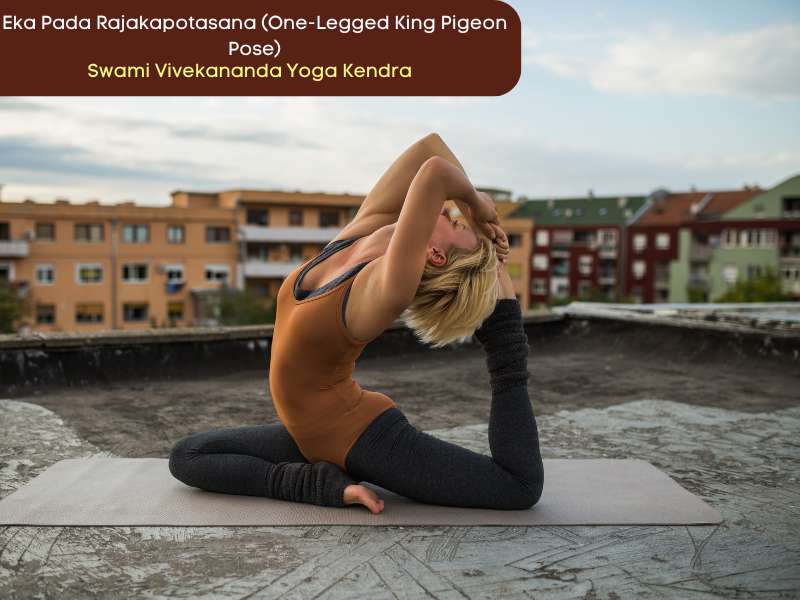
Eka Pada Rajakapotasana, also known as the One-Legged King Pigeon Pose, is a deep backbend and hip-opener. It requires one leg to be bent in front while the other is stretched back, with the torso upright and chest lifted. In its advanced form, the back leg is bent and the hands hold the foot behind the head, resembling the proud stance of a pigeon.
It is both a physical and emotional posture, often associated with releasing tension stored in the hips and promoting inner peace.
🌟 Benefits of Eka Pada Rajakapotasana (One-Legged King Pigeon Pose)
Deep Hip Opener
This pose stretches tight hip flexors and glutes, releasing stiffness caused by long sitting hours.
Improves Posture & Spinal Flexibility
The backbend in this asana lengthens the spine, strengthens the back, and helps improve body alignment.
Boosts Digestion & Circulation
The pressure on the abdomen gently stimulates digestive organs, improving metabolism and circulation.
Enhances Emotional Release
The hips are known to store stress and emotions; this pose helps release them, creating a sense of calm.
Strengthens Legs & Core
Holding the position engages the thighs, glutes, and abdominal muscles, making the body stronger.
Opens the Chest & Improves Breathing
By expanding the chest and rib cage, it encourages deeper breathing and better lung capacity.
Supports Meditation & Mindfulness
The stillness and depth of this posture bring focus, preparing the mind for meditation.
🧘 How to Do Eka Pada Rajakapotasana (Step-by-Step)
1. Start in Downward-Facing Dog (Adho Mukha Svanasana).
2. Bring your right knee forward and place it behind your right wrist.
3. Stretch your left leg straight back, keeping the toes pointing backward.
4. Keep the hips square and chest lifted.
5. Place your hands on the floor for support or slowly walk them back as you lift your chest.
For the advanced version, bend the back leg and hold the foot with your hands, raising it towards your head.
6. Hold for 20–30 seconds while breathing deeply.
7. Release gently and repeat on the other side.
Tip: Beginners can place a cushion under the hips for support.
⚠️ Precautions for Eka Pada Rajakapotasana
Avoid if you have recent knee, ankle, or back injuries.
Do not push too hard if you feel sharp pain in hips or knees.
Pregnant women should avoid deep forward bends or backbends.
Always practice after warm-up under the guidance of a yoga teacher.
🌿 Why You Should Try Eka Pada Rajakapotasana (One-Legged King Pigeon Pose)
Eka Pada Rajakapotasana (One-Legged King Pigeon Pose) is more than just a yoga stretch—it’s a pose that heals both the body and the mind. By opening the hips and stretching the thighs, it helps release stored tension and stiffness that many of us carry unknowingly due to sitting for long hours. This deep hip opener also improves flexibility and posture, making your body feel lighter and more relaxed.
On a mental level, this pose works like therapy. When you hold the posture with awareness, it calms your thoughts, reduces stress, and helps you feel emotionally balanced. Many practitioners say they experience a sense of emotional release and inner peace after practicing this asana.
Q1: What is Eka Pada Rajakapotasana (One-Legged King Pigeon Pose)?
A: It is a yoga posture that combines a hip opener and a backbend, enhancing flexibility, strength, and emotional release.
Q2: Is Eka Pada Rajakapotasana suitable for beginners?
A: Beginners can try the preparatory version with support under the hips. The advanced variation should be attempted gradually.
Q3: What are the health benefits of Eka Pada Rajakapotasana?
A: It improves digestion, opens hips, strengthens the spine, enhances breathing, and reduces stress.
Q4: Can Eka Pada Rajakapotasana help with stress and anxiety?
A: Yes, this pose releases stored tension in the hips and promotes calmness, making it effective for stress relief.
❓ एक पाद राजकपोतासन (एक पैर वाला राजा कपोत मुद्रा) क्या है?
एक पाद राजकपोतासन एक उन्नत योग मुद्रा है, जिसमें एक पैर मोड़ा जाता है और दूसरा पीछे की ओर खिंचकर रखा जाता है। यह आसन कपोत (पिजन/कबूतर) की आकृति जैसा दिखाई देता है। इसे करने से शरीर की लचीलापन बढ़ता है और मन को शांति मिलती है।
❓ एक पाद राजकपोतासन (एक पैर वाला राजा कपोत मुद्रा) कैसे करें?
दंडासन (सीधे बैठने की मुद्रा) से शुरुआत करें। दाहिना पैर मोड़कर सामने की ओर रखें और एड़ी को जांघ के पास टिकाएँ। बायाँ पैर पीछे की ओर सीधा फैलाएँ और जांघ को जमीन से सटाएँ। रीढ़ को सीधा रखते हुए छाती खोलें और गहरी सांस लें। धीरे-धीरे पीछे के पैर को मोड़कर एड़ी को हाथ से पकड़ने की कोशिश करें। कुछ सेकंड इस मुद्रा में रहें और फिर धीरे-धीरे छोड़ दें।
❓ एक पाद राजकपोतासन (एक पैर वाला राजा कपोत मुद्रा) के क्या फायदे हैं?
कूल्हों और जांघों की मांसपेशियों को खोलता है। ✔ रीढ़ को लंबा और लचीला बनाता है। ✔ भावनात्मक तनाव और नकारात्मक ऊर्जा को कम करता है। ✔ पाचन तंत्र को सक्रिय करता है और पेट की मांसपेशियों को मजबूत करता है। ✔ मन को शांति और ध्यान में स्थिरता प्रदान करता है।
Transform Your Life with us: Join Our Online Classes Now:
Ready to dive into a world of wellness? Come join us for some online meditation classes to find your inner calm, hop into our online yoga classes to take your practice up a notch, or why not even become a certified yoga teacher? Embrace the power of yoga today and let it lead you to a happier, healthier you!
This Kukkutasana (Rooster Pose) is part of the classic 84 Yoga Asanas list with pictures and names. Visit our full guide to explore steps, health benefits, and practice tips.

Comments are closed.