Category

Yoga Classes

Category

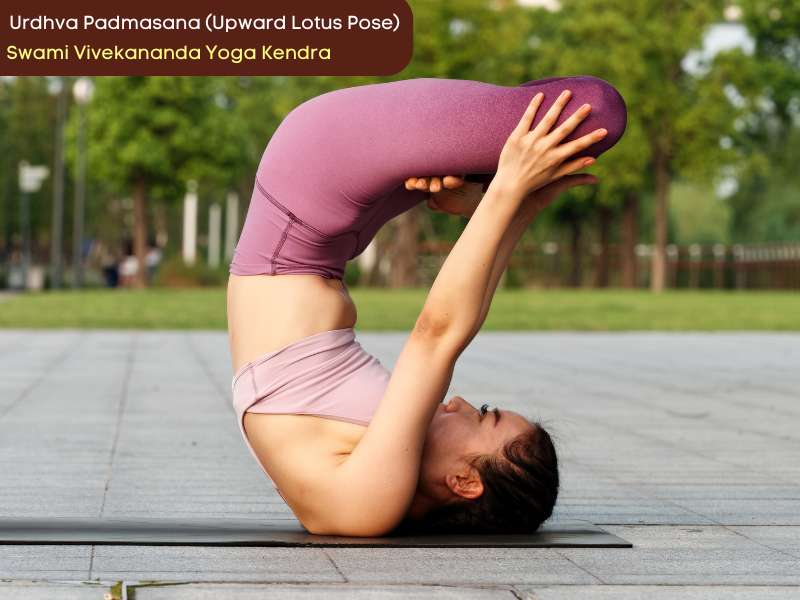
Urdhva Padmasana (Upward Lotus Pose) is a graceful and advanced yoga posture that blends balance, focus, and inner strength. The Sanskrit term “Urdhva” means upward and “Padmasana” means lotus pose. In this asana, the legs are positioned in the lotus pose while the body is lifted upward, often supported by the shoulders or hands.

At Swami Vivekananda Yoga Kendra, we value such yoga postures because they not only strengthen the body but also calm the mind. Urdhva Padmasana (Upward Lotus Pose) symbolizes elevation — of both the body and consciousness — encouraging self-control, stillness, and balance in life.
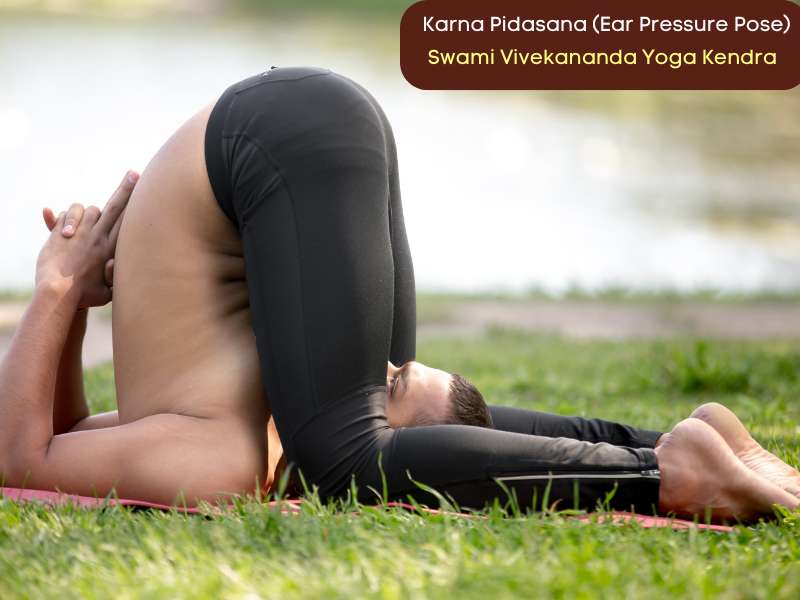
Karna Pidasana (Ear Pressure Pose) is a soothing and deeply restorative yoga posture that encourages both physical and mental relaxation. The name comes from Sanskrit — “Karna” meaning “ear” and “Pida” meaning “pressure”. In this pose, the knees gently press against the ears, symbolizing withdrawal from external noise and distractions.

At Swami Vivekananda Yoga Kendra, we promote yoga practices like Karna Pidasana (Ear Pressure Pose) because they help calm the mind, improve flexibility, and enhance overall body awareness. It’s a beautiful posture for stress relief and introspection — perfect for anyone seeking peace in today’s busy lifestyle.

Sarvangasana, also known as the Shoulder Stand, is often called the “Queen of all Yoga Poses.” In this asana, the entire body is balanced on the shoulders, while the legs point upward. It’s a powerful inversion that rejuvenates the body, calms the mind, and boosts overall vitality. This blog is presented by Swami Vivekananda Yoga Kendra, dedicated to promoting holistic wellness through yoga, acupuncture, and natural healing practices.
The name comes from Sanskrit words — Sarva meaning “all” and Anga meaning “limbs or parts.” Thus, Sarvangasana means a pose that benefits the entire body.

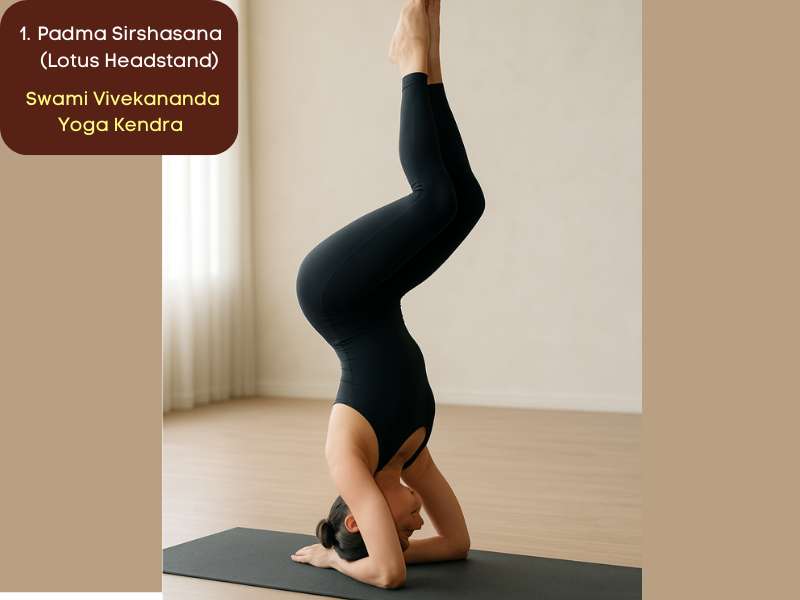
Yoga is an art of harmony — between body, mind, and soul. Among its many powerful postures, Padma Sirshasana (Lotus Headstand) stands out as a symbol of focus, stability, and inner awakening. This pose combines the calm of the Lotus Pose (Padmasana) with the inversion of Headstand (Sirshasana), giving you the benefits of both worlds — deep meditation and enhanced circulation. This insightful post is brought to you by Swami Vivekananda Yoga Kendra, a wellness center dedicated to holistic healing through yoga, acupuncture, and mindfulness practices.

🌿 What is Padma Sirshasana (Lotus Headstand)?

Padma Sirshasana (Lotus Headstand)

Padma Sirshasana is an advanced yoga posture where you sit in Padmasana (Lotus Pose) and then lift into a Headstand (Sirshasana). It requires strength, flexibility, and balance. Often practiced by experienced yogis, this asana encourages mental clarity and physical endurance while opening energy channels throughout the body.

🌼 Step-by-Step Guide to Do Padma Sirshasana (Lotus Headstand)

Start with Warm-up
Begin with gentle stretches for the neck, shoulders, hips, and legs. Poses like Cat-Cow and Butterfly Pose help prepare your body.

Enter Lotus Pose (Padmasana)
Sit down, fold your right leg, and place it on your left thigh. Then, place your left leg on your right thigh. Keep your spine straight.

Move into Headstand Position
Place your forearms and head on the mat in a tripod position. Slowly lift your hips and walk your feet closer to your head.

Lift Up Gently
With core engagement, lift your folded legs into the air. Keep your balance steady, breathe slowly, and stay calm.

Hold and Breathe
Stay in the pose for 10–30 seconds (for beginners) and gradually increase duration as your strength improves.

Come Down Safely
Slowly lower your legs back to the mat and release the Lotus Pose carefully. Rest in Child’s Pose (Balasana) to relax.

🌸 Benefits of Padma Sirshasana (Lotus Headstand)

Boosts Blood Circulation
Improves blood flow to the brain, enhancing memory, focus, and mental alertness.

Builds Core and Upper Body Strength
Strengthens shoulders, arms, and abdomen — essential for overall stability and posture.

Improves Digestion and Metabolism
The inversion helps stimulate abdominal organs, supporting better digestion and detoxification.

Reduces Stress and Anxiety
Calms the nervous system, relieving mental tension and promoting emotional balance.

Encourages Spiritual Growth
As an advanced meditative pose, it helps in connecting deeper with your inner self and enhances mindfulness.

⚠️ Precautions and Tips

Avoid this pose if you have neck, back, or heart issues.

Practice only under a yoga instructor’s supervision if you’re new to inversions.

Always warm up properly before attempting the pose.

Pregnant women should avoid inverted postures.

🌿 Why You Should Try Padma Sirshasana (Lotus Headstand)

🌿 Padma Sirshasana (Lotus Headstand) boosts balance, core strength, and flexibility. It improves circulation, calms the mind, and sharpens focus. Practice with care, warm up first, and enjoy its physical & mental benefits! This pose also enhances concentration and relieves stress. With regular practice, it deepens your yoga journey and inner calm.

पद्म शीर्षासन (लोटस हेडस्टैंड) क्या है? ❓

पद्म शीर्षासन, जिसे लोटस हेडस्टैंड भी कहा जाता है, एक उन्नत योगासन है जिसमें सिर के बल संतुलन बनाते हुए पैरों को पद्मासन की स्थिति में रखा जाता है।

पद्म शीर्षासन (लोटस हेडस्टैंड) कैसे करें? ❓

पहले सामान्य शीर्षासन (सिर के बल खड़ा होना) की तैयारी करें। धीरे-धीरे अपने पैरों को पद्मासन की स्थिति में लाएँ। रीढ़ को सीधा रखें और पेट की मांसपेशियों को कसें। गहरी सांस लें और शुरुआत में कुछ सेकंड के लिए स्थिर रहें, फिर धीरे-धीरे समय बढ़ाएँ। शुरुआती लोगों के लिए दीवार के पास या प्रशिक्षक की मदद से अभ्यास करना सुरक्षित है।

पद्म शीर्षासन (लोटस हेडस्टैंड) के क्या फायदे हैं? ❓

संतुलन और ध्यान बढ़ाता है कंधे, हाथ और कोर की ताकत मजबूत करता है मस्तिष्क में रक्त संचार बढ़ाता है, मानसिक सतर्कता बढ़ाता है तनाव और चिंता कम करता है, मन को शांत करता है हिप्स, घुटनों और रीढ़ की लचीलापन बढ़ाता है

1. What are the key benefits of Padma Sirshasana (Lotus Headstand)?

It boosts blood circulation, strengthens the core, improves focus, and promotes calmness and mental clarity.

2. Can beginners do Padma Sirshasana (Lotus Headstand)?

It’s an advanced pose, so beginners should master basic headstand and lotus postures first before attempting it.

3. How long should I hold Padma Sirshasana (Lotus Headstand)?

Start with 10–20 seconds and gradually increase as your strength and balance improve

Transform Your Life with us: Join Our Online Classes Now:
Ready to dive into a world of wellness? Come join us for some online meditation classes to find your inner calm, hop into our online yoga classes to take your practice up a notch, or why not even become a certified yoga teacher? Embrace the power of yoga today and let it lead you to a happier, healthier you!

This Padma Sirshasana (Lotus Headstand)Benefits is part of the classic 84 Yoga Asanas list with pictures and names. Visit our full guide to explore steps, health benefits, and practice tips


Yoga is not just about movement—it is also about stillness, focus, and inner peace. Gupta Padmasana (Hidden Lotus Pose) is one such asana that brings your body and mind into deep calmness. This posture is often practiced during meditation and pranayama, as it supports concentration and strengthens mental balance. At Swami Vivekananda Yoga Kendra, we believe in guiding you to achieve physical flexibility and mental peace through such mindful yoga practices.

Yoga is full of graceful and powerful asanas, and Hanumanasana (Monkey Pose) is one of the most inspiring. Named after Lord Hanuman, this pose symbolizes his giant leap from India to Lanka in the Ramayana. Just like the story, this asana is about courage, flexibility, and dedication. At Swami Vivekananda Yoga Kendra, we believe in sharing the wisdom of such yoga practices to help people build strength, balance, and inner confidence.

Yoga is not just about flexibility; it is about opening the body, energizing the mind, and strengthening from within. One such powerful backbend is Urdhva Dhanurasana (Upward Bow Pose), also known as Wheel Pose. This asana is dynamic, energizing, and deeply therapeutic when practiced with awareness. Shared by Swami Vivekananda Yoga Kendra.

Yoga is not just about strength and flexibility; it’s also about control, balance, and focus. Among the advanced yoga asanas, Parivrittaikapada Shirshasana (Revolved One-Legged Headstand) is one of the most challenging and rewarding postures. This asana is a variation of the traditional headstand, where one leg is lifted and rotated, testing both physical strength and mental concentration. At Swami Vivekananda Yoga Kendra, we emphasize the importance of practicing such poses with awareness and guidance to achieve both physical and mental harmony.

Yoga is more than just stretches and postures—it is about creating harmony in the body, mind, and breath. Among the many beautiful and powerful yoga poses, Eka Pada Rajakapotasana (One-Legged King Pigeon Pose) is a graceful posture that not only improves flexibility but also brings deep emotional release. This pose opens the hips, stretches the thighs, lengthens the spine, and nurtures a calm and balanced mind. This blog is brought to you by AMP Acupuncture, where we believe in blending traditional wisdom with holistic wellness for a healthier, balanced life.

Yoga is not just about physical exercise—it is a path of discipline, self-awareness, and inner peace. Among the traditional postures, Gorakshasana (Yogi Gorakhnath’s Pose) holds a unique spiritual and physical significance. Named after the great yogi Gorakhnath, this asana is known for enhancing stability, concentration, and meditative energy. It is often practiced as a preparatory posture for deep meditation, making it an important pose for anyone seeking balance of body, mind, and spirit. This article is brought to you by AMP Acupuncture, dedicated to promoting holistic wellness through yoga and natural healing.

Call